Biodiversity: Why Every Species Matters for Earth's Future
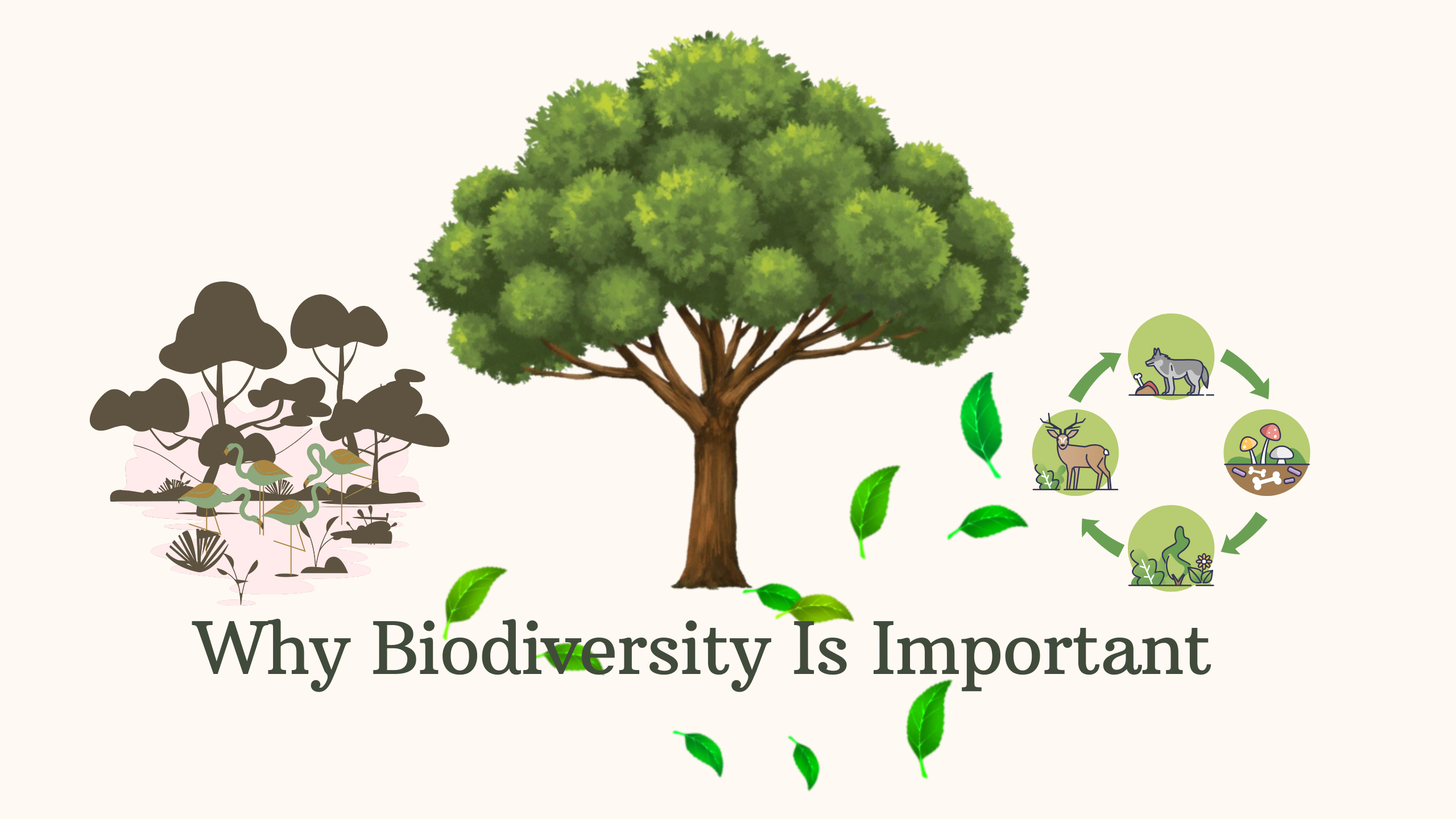
Biodiversity is the variety of all living organisms on Earth, including plants, animals, fungi, and microorganisms. It forms the foundation of healthy ecosystems that provide clean air, fresh water, fertile soil, food, and climate regulation. Every species, regardless of its size, contributes to maintaining ecological balance. As human activities continue to expand, biodiversity faces increasing threats from habitat destruction, pollution, climate change, and overexploitation of natural resources. Protecting biodiversity is essential not only for wildlife but also for human survival and sustainable development.
What Is Biodiversity?
Biodiversity refers to the diversity of life found on Earth at three levels: genetic diversity, species diversity, and ecosystem diversity. Genetic diversity allows species to adapt to environmental changes, while species diversity ensures that ecosystems remain stable and productive. Ecosystem diversity includes forests, oceans, wetlands, deserts, grasslands, and many other natural environments that support millions of living organisms. Together, these different forms of biodiversity create resilient ecosystems capable of providing valuable services to humanity.
Why Biodiversity Is Important
Healthy biodiversity supports food production, clean drinking water, medicine, climate regulation, and economic development. Many crops depend on insects such as bees and butterflies for pollination, while forests help regulate rainfall and absorb carbon dioxide from the atmosphere. Numerous medicines have been developed from plants, fungi, and marine organisms. Biodiversity also supports tourism, fisheries, agriculture, and forestry, making it one of the most valuable natural assets for societies around the world.
Major Threats to Biodiversity
One of the biggest threats to biodiversity is habitat destruction caused by deforestation, urban expansion, industrial development, and agricultural activities. Climate change further increases pressure on ecosystems by altering temperatures, rainfall patterns, and sea levels. Pollution from plastics, chemicals, and industrial waste damages both terrestrial and aquatic environments, while overfishing and illegal hunting reduce wildlife populations faster than they can recover. These combined threats have pushed many species toward extinction and weakened ecosystems globally.
Benefits of Conserving Biodiversity
Conserving biodiversity helps maintain healthy ecosystems that provide essential services such as clean air, fertile soil, flood control, and stable climates. Protected forests reduce carbon emissions, wetlands naturally filter water, and diverse ecosystems are generally more resilient to natural disasters and environmental changes. Biodiversity conservation also supports sustainable agriculture, scientific research, medical discoveries, and long-term economic growth while protecting future generations from environmental degradation.
How Individuals Can Help
Every individual can contribute to biodiversity conservation through simple daily actions. Reducing plastic waste, recycling responsibly, planting native trees, conserving water and energy, supporting sustainable products, and respecting wildlife habitats all help protect ecosystems. Community participation in environmental awareness programs and conservation projects further strengthens efforts to preserve biodiversity at local and national levels.
Biodiversity is one of Earth's greatest treasures and the foundation of healthy ecosystems that sustain all forms of life. Protecting biodiversity requires cooperation between governments, businesses, communities, and individuals. By adopting sustainable lifestyles, supporting conservation efforts, and reducing environmental pollution, we can help preserve the planet's rich biological diversity for future generations. Every species matters, and every positive action contributes to a healthier, more sustainable world.

About the Author
Harish Kumar is the founder of FlashNews24 and covers world news, technology, science, and weather developments.