
Deadly Coal Mine Explosion Kills 32 Miners in Pakistan's Balochistan
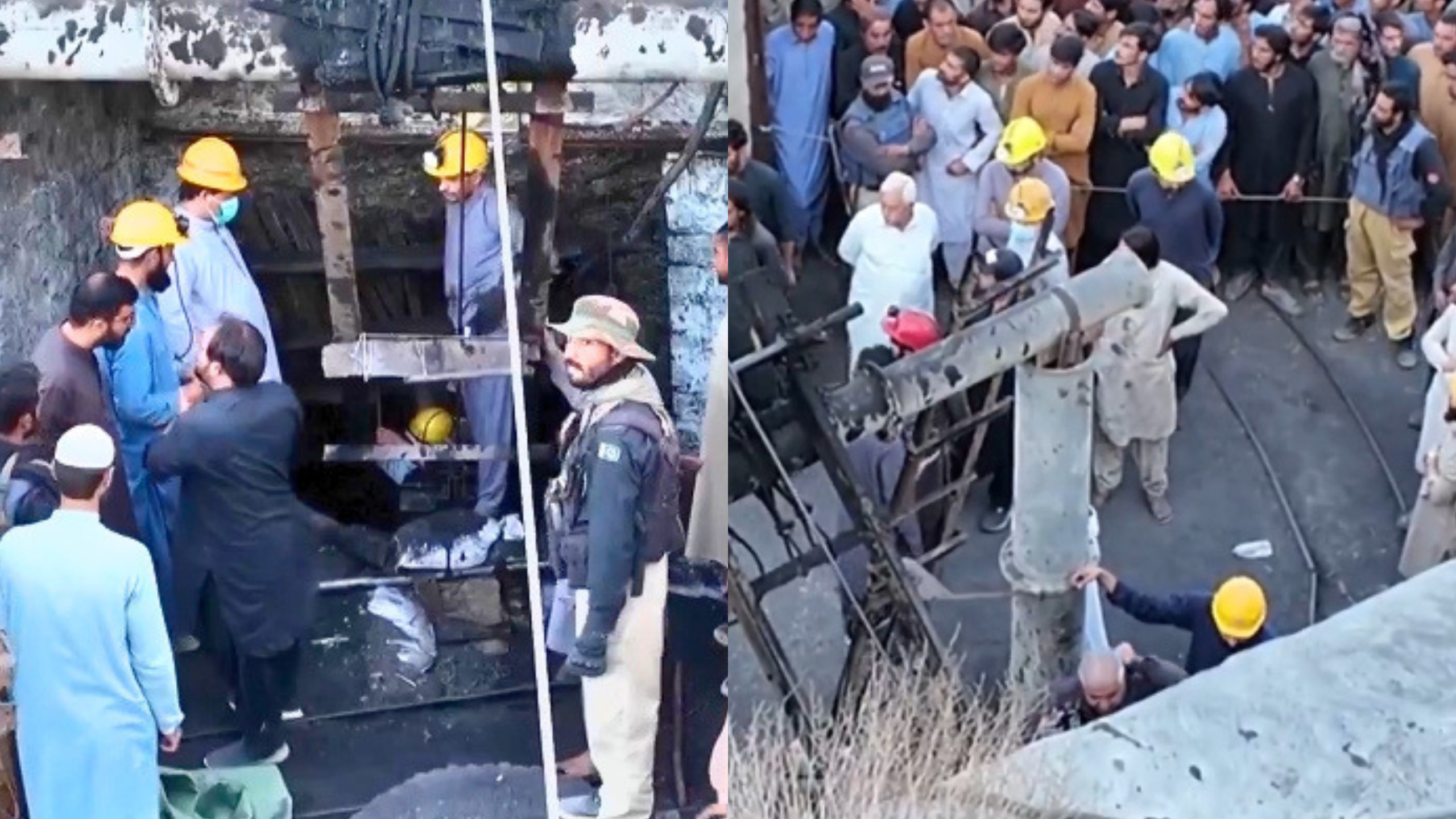
A devastating explosion at a coal mine in Pakistan's southwestern province of Balochistan has claimed the lives of at least 32 miners, according to local officials. The blast occurred near Quetta, the provincial capital, and is believed to have been caused by a buildup of methane gas inside the underground mine.
Rescue teams rushed to the scene immediately after the explosion, facing dangerous conditions as they searched through the damaged mine. Officials said 29 bodies were initially recovered, while rescuers continued efforts to locate the remaining three miners who had been trapped beneath the rubble. Authorities later confirmed that all 32 miners had died in the incident.
Preliminary investigations indicate that the explosion was likely triggered by a high concentration of methane gas, a common hazard in underground coal mining. Methane is highly flammable, and without proper ventilation and monitoring systems, it can ignite and cause powerful explosions.
Coal mining remains one of the most hazardous industries in Pakistan, particularly in Balochistan, where safety standards and working conditions have frequently come under scrutiny. Mining accidents caused by gas explosions, tunnel collapses, and inadequate safety measures have resulted in numerous fatalities over the years.
Government officials have expressed condolences to the families of the victims and announced that an investigation has been launched to determine the exact cause of the explosion. Authorities are expected to examine whether safety regulations were properly followed and whether negligence contributed to the tragedy.
The incident has renewed calls from labor organizations and safety advocates for stronger enforcement of mining regulations, improved ventilation systems, regular safety inspections, and better emergency preparedness to help prevent similar disasters in the future.
Get FlashNews24 App
Get breaking news, India news, World news, technology updates and more directly on your phone.
📱 GET THE APP