
Ocean Conservation: Why Protecting Marine Ecosystems Matters
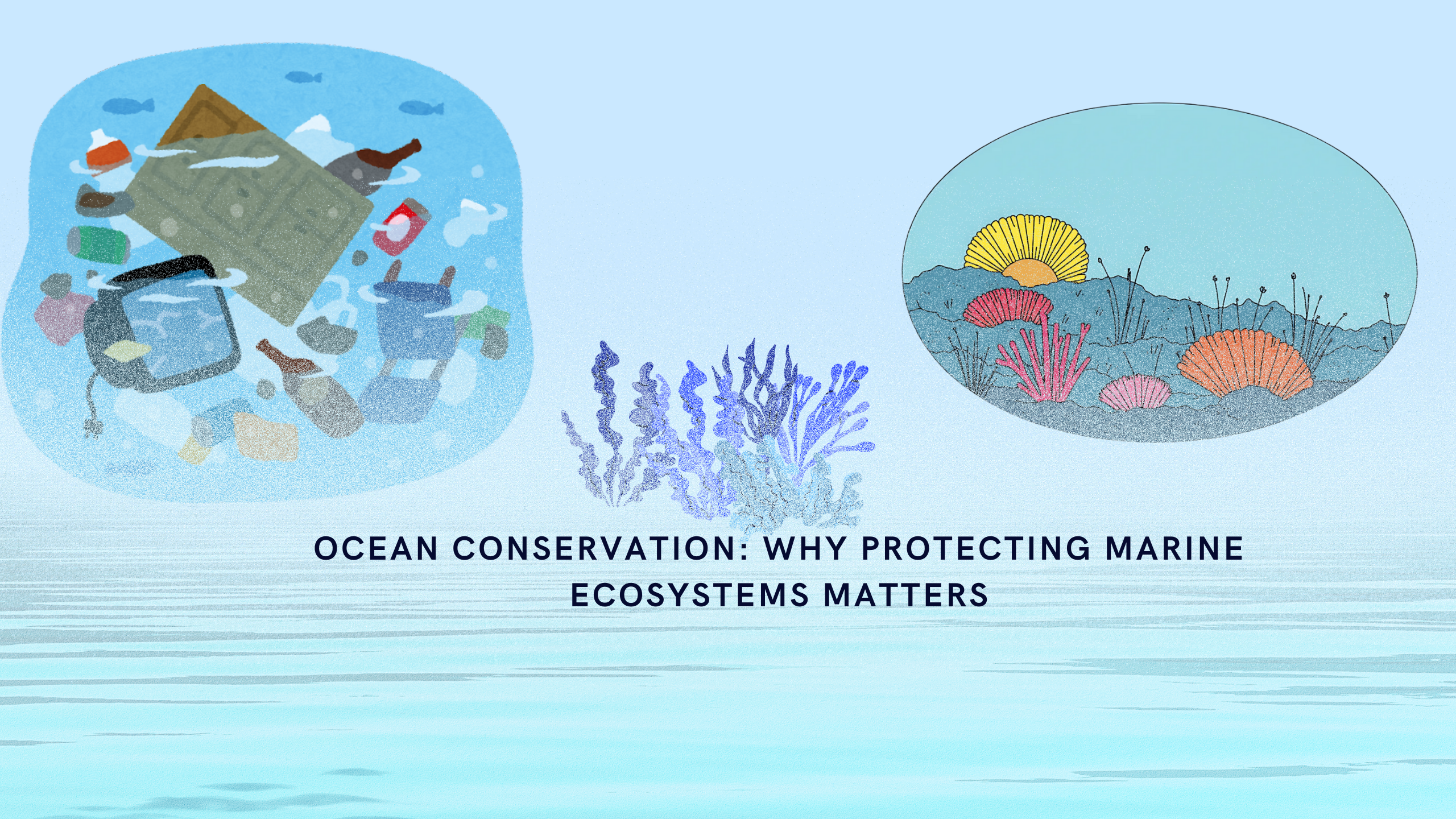
The world's oceans cover more than 70% of the Earth's surface and are essential for life on our planet. They regulate the climate, produce a significant portion of the oxygen we breathe, provide food for billions of people, and support countless species of marine life. Oceans also play a vital role in global trade, tourism, and the economy. Despite their importance, oceans are facing increasing threats from pollution, climate change, overfishing, and habitat destruction.
Ocean conservation is the practice of protecting marine environments and using ocean resources responsibly so they remain healthy for future generations. By understanding the importance of oceans and adopting sustainable habits, individuals, communities, businesses, and governments can all contribute to preserving these valuable ecosystems.
What Is Ocean Conservation?
Ocean conservation refers to the protection, restoration, and sustainable management of oceans, seas, and coastal environments. Its goal is to maintain healthy marine ecosystems while ensuring that ocean resources continue to support both wildlife and human communities.
Conservation efforts include reducing pollution, protecting endangered marine species, restoring damaged habitats, promoting sustainable fishing practices, and increasing public awareness about the importance of healthy oceans.
Why Oceans Are Important
Oceans perform many essential functions that support life on Earth. They absorb large amounts of carbon dioxide from the atmosphere, helping regulate the global climate. Ocean currents distribute heat around the world, influencing weather patterns and maintaining balanced temperatures.
Marine ecosystems are home to millions of species, many of which have not yet been fully studied. Oceans also provide food, employment, transportation routes, renewable energy opportunities, and recreational activities that benefit people across the globe.
Major Threats to Oceans
Although oceans appear vast, they are highly vulnerable to human activities.
Plastic Pollution
Millions of tons of plastic waste enter oceans every year. Plastic bags, bottles, fishing nets, and other debris can injure or kill marine animals that mistake plastic for food or become trapped in it. Over time, plastic breaks down into tiny particles called microplastics, which spread throughout marine ecosystems.
Climate Change
Rising global temperatures are warming ocean waters and contributing to sea-level rise. Warmer oceans also increase the risk of coral bleaching, where coral reefs lose the algae that provide them with nutrients and vibrant colors. This weakens reef ecosystems and threatens many marine species.
Overfishing
Fishing provides food and employment for millions of people, but excessive fishing can reduce fish populations faster than they can recover. Unsustainable fishing practices may also damage marine habitats and affect the balance of ocean ecosystems.
Habitat Destruction
Coastal development, pollution, and destructive fishing methods can damage important marine habitats such as coral reefs, mangrove forests, and seagrass beds. These habitats provide shelter, breeding grounds, and food for numerous marine species.
The Importance of Marine Biodiversity
Healthy oceans contain an extraordinary variety of plants, animals, and microorganisms. This biodiversity helps maintain balanced ecosystems where different species depend on one another for survival.
Marine biodiversity also benefits people by supporting fisheries, tourism, scientific research, and the discovery of new medicines. Protecting diverse marine life increases the resilience of ocean ecosystems against environmental changes.
How Ocean Pollution Affects People
Ocean pollution does not only harm marine life. It can also affect human health, food security, and economic activities. Polluted waters may contaminate seafood, reduce tourism, damage fisheries, and increase cleanup costs for coastal communities.
Maintaining clean oceans benefits both the environment and the millions of people whose livelihoods depend on healthy marine ecosystems.
How Individuals Can Help Protect Oceans
Everyone can contribute to ocean conservation through simple daily actions.
Reducing single-use plastic products helps prevent waste from reaching rivers and oceans. Properly disposing of waste, recycling whenever possible, and participating in local cleanup events can also reduce pollution.
Choosing sustainably sourced seafood supports responsible fishing practices. Conserving water, reducing energy consumption, and lowering carbon emissions also help protect marine environments by reducing the impacts of climate change.
The Role of Governments and Organizations
Governments play an important role in ocean conservation by establishing marine protected areas, enforcing fishing regulations, reducing pollution, and supporting scientific research.
Environmental organizations, universities, and local communities also work together to restore habitats, monitor marine ecosystems, educate the public, and develop innovative conservation strategies.
International cooperation is essential because oceans connect countries around the world, and many marine challenges cross national boundaries.
Benefits of Ocean Conservation
Protecting oceans provides long-term environmental, economic, and social benefits.
Healthy oceans support sustainable fisheries, protect coastal communities from storms, preserve biodiversity, improve tourism opportunities, and contribute to climate regulation. Conservation efforts also ensure that future generations can continue to enjoy and benefit from marine resources.
Why are oceans important for climate?
Oceans absorb heat and carbon dioxide, helping regulate the Earth's climate and reduce the effects of global warming.
What is the biggest threat to marine life?
Marine life faces multiple threats, including plastic pollution, climate change, habitat destruction, and unsustainable fishing practices.
Can individuals really make a difference?
Yes. Millions of small actions, such as reducing plastic use, recycling, conserving energy, and supporting sustainable products, can collectively have a significant positive impact on ocean health.
The oceans are one of Earth's most valuable natural resources, supporting life, regulating the climate, and providing food and livelihoods for billions of people. However, pollution, climate change, and unsustainable human activities continue to threaten these vital ecosystems.
Protecting the oceans requires cooperation between individuals, communities, governments, and international organizations. By adopting sustainable habits, reducing pollution, supporting responsible resource management, and increasing environmental awareness, we can help preserve healthy oceans for future generations. Every positive action, no matter how small, contributes to a cleaner, healthier, and more sustainable marine environment.
Disclaimer: This article is intended for educational and informational purposes only. Ocean conservation policies and environmental regulations vary by country. Readers are encouraged to follow local environmental guidelines and support conservation initiatives in their communities.
Get FlashNews24 App
Get breaking news, India news, World news, technology updates and more directly on your phone.
📱 GET THE APP