
Plastic Pollution: Causes, Effects, and Sustainable Solutions
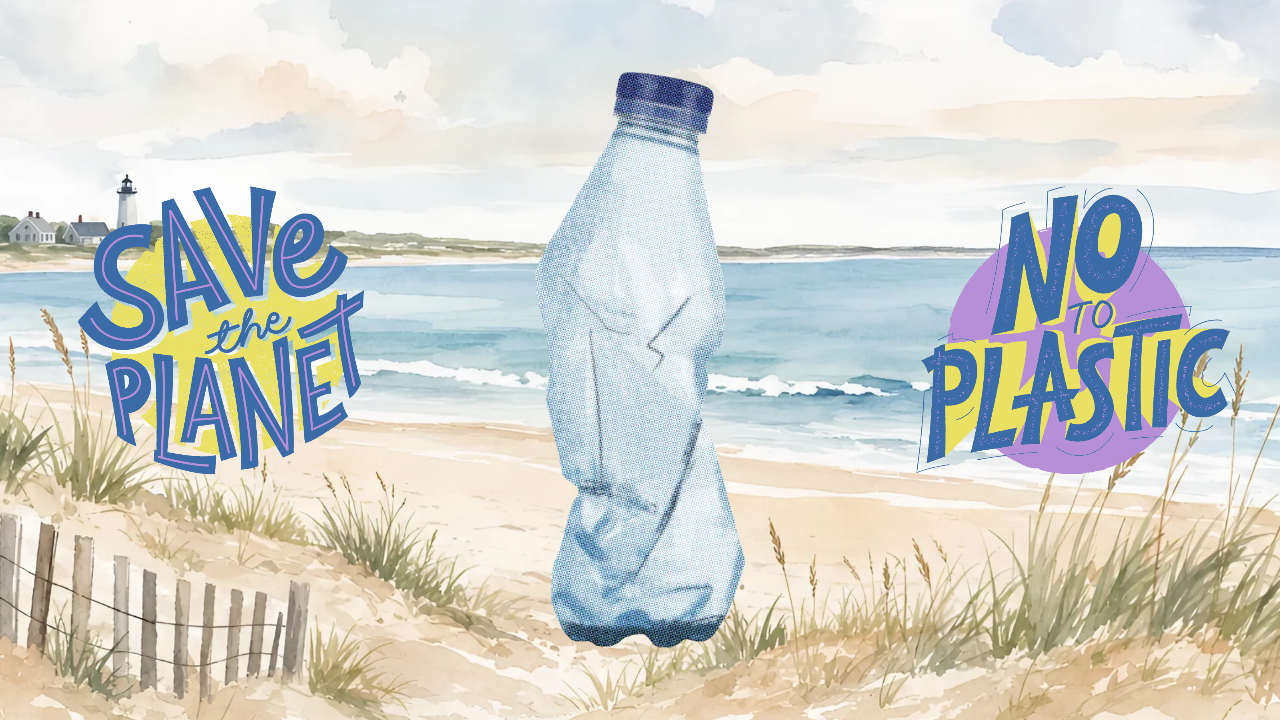
Plastic has become one of the most widely used materials in the modern world. From food packaging and shopping bags to medical equipment and household products, plastic is present in almost every aspect of daily life. Its durability, low cost, and versatility have made it extremely popular across industries.
However, the same qualities that make plastic useful have also created one of the world's biggest environmental challenges. Millions of tons of plastic waste enter landfills, rivers, lakes, and oceans every year. Since most plastics take hundreds of years to break down naturally, they continue accumulating in the environment, threatening wildlife, ecosystems, and even human health.
Understanding plastic pollution and adopting sustainable alternatives can help protect the planet for future generations.
What Is Plastic Pollution?
Plastic pollution refers to the accumulation of plastic materials in the environment where they negatively affect land, water, wildlife, and human health.
Plastic waste includes:
Plastic bags
Water bottles
Food packaging
Disposable cups
Plastic straws
Fishing nets
Packaging materials
Microplastics
Improper disposal and excessive use of single-use plastics are major contributors to this growing problem.
Why Plastic Pollution Is Increasing
Several factors have contributed to the rapid growth of plastic pollution.
Single-Use Plastics
Many plastic products are designed to be used only once before being discarded.
Examples include:
Shopping bags
Food containers
Plastic cutlery
Drinking straws
These items often become waste within minutes of use.
Poor Waste Management
In many areas, waste collection and recycling systems cannot keep up with the increasing amount of plastic waste.
Improper disposal allows plastic to enter rivers, lakes, and oceans.
Growing Consumer Demand
Population growth and increasing consumption have significantly increased plastic production worldwide.
More products often mean more packaging waste.
Environmental Effects of Plastic Pollution
Plastic pollution causes serious environmental damage.
Harm to Wildlife
Animals may mistake plastic for food.
Birds, turtles, fish, and marine mammals can swallow plastic, leading to injury, starvation, or death.
Animals may also become trapped in discarded fishing nets and plastic waste.
Ocean Pollution
Millions of tons of plastic enter oceans every year.
Plastic debris harms coral reefs, beaches, and marine ecosystems while threatening countless species.
Soil Pollution
Plastic waste left on land can reduce soil quality and interfere with natural ecosystems.
Some plastics release harmful chemicals into the environment over time.
Air Pollution
Burning plastic waste releases harmful gases and toxic substances into the atmosphere, affecting air quality and public health.
What Are Microplastics?
Microplastics are tiny plastic particles generally smaller than five millimeters.
They originate from:
Broken plastic waste
Synthetic clothing fibers
Cosmetic products
Tire wear
Microplastics have been found in oceans, rivers, drinking water, food, and even the air.
Scientists continue studying their long-term effects on human health and ecosystems.
Economic Impact
Plastic pollution creates significant economic costs.
Governments and communities spend large amounts of money cleaning beaches, rivers, parks, and public spaces.
Industries such as tourism, fishing, and shipping may also experience financial losses due to polluted environments.
How Individuals Can Reduce Plastic Waste
Everyone can help reduce plastic pollution by making simple daily changes.o
Use Reusable Bags
Carry cloth or reusable shopping bags instead of disposable plastic bags.
Choose Reusable Bottles
Use refillable water bototles instead of single-use plastic bottles whenever possible
Reduce Disposable Plastics
Avoid unnecessary plastic plates, cups, straws, and cutlery.
Reusable alternatives are often more environmentally friendly.
Recycle Properly
Separate recyclable materials according to local recycling guidelines.
Proper recycling helps reduce the amount of plastic entering landfills.
Support Sustainable Products
Choose products with minimal or environmentally friendly packaging whenever available.
What Businesses Can Do
Companies can reduce plastic pollution by:
Using recyclable packaging.
Designing reusable products.
Reducing unnecessary packaging.
Improving recycling programs.
Investing in sustainable materials.
Many businesses now recognize that environmental responsibility also improves customer trust.
Government Initiatives
Governments around the world are introducing measures such as:
Restrictions on certain single-use plastics.
Improved recycling infrastructure.
Public awareness campaigns.
Extended producer responsibility programs.
Support for environmentally friendly innovation.
These efforts aim to reduce plastic waste while encouraging sustainable consumption.
Benefits of Reducing Plastic Pollution
Reducing plastic waste helps:
Protect wildlife.
Improve ocean health.
Reduce landfill waste.
Lower pollution levels.
Conserve natural resources.
Support healthier communities.
Promote sustainable development.
Even small actions by millions of people can make a significant difference.
Many common plastic products can remain in the environment for hundreds of years before breaking down completely.
Can all plastics be recycled?
No. Recycling depends on the type of plastic, local recycling facilities, and waste management systems.
Why are reusable products better?
Reusable products reduce waste generation and lower the demand for disposable plastics.
Plastic pollution is one of the greatest environmental challenges facing the world today. Although plastic offers many practical benefits, excessive use and improper disposal have created lasting impacts on ecosystems, wildlife, and communities.
By reducing single-use plastics, supporting recycling, choosing reusable alternatives, and encouraging sustainable practices, individuals and organizations can help protect the environment. Every responsible choice contributes to cleaner cities, healthier oceans, and a more sustainable future for generations to come.
Disclaimer: This article is intended for educational and informational purposes only. Recycling rules, waste management systems, and environmental regulations vary by country and region. Readers should follow local environmental guidelines and participate in community recycling programs whenever possible.
Get FlashNews24 App
Get breaking news, India news, World news, technology updates and more directly on your phone.
📱 GET THE APP