
Indoor Air Quality: Why Clean Indoor Air Is Essential for Better Health
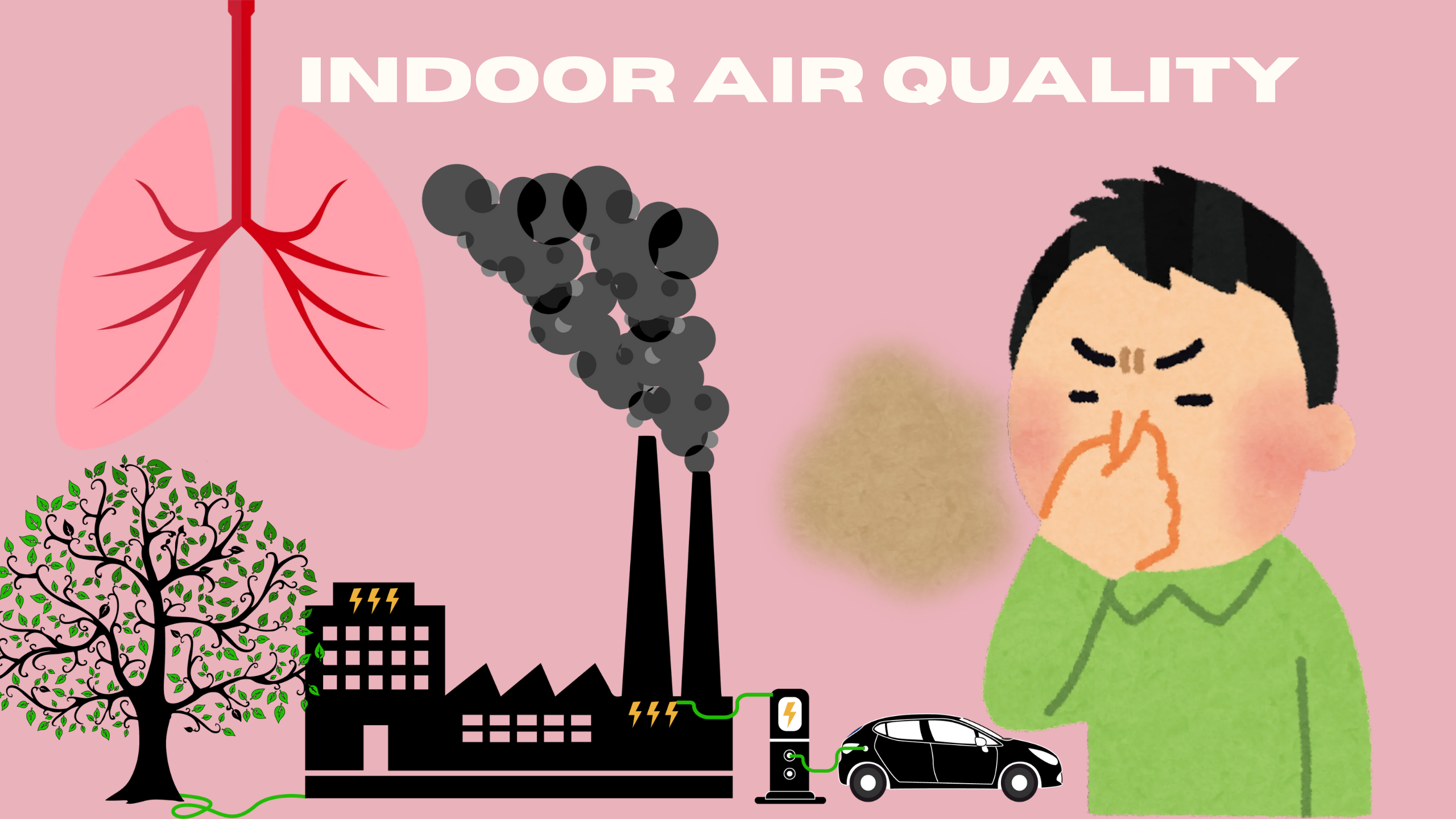
People spend a large portion of their lives indoors, whether at home, school, offices, hospitals, or shopping centers. While many individuals are concerned about outdoor air pollution, indoor air quality often receives far less attention. However, the air inside buildings can sometimes contain higher concentrations of pollutants than outdoor air. Poor indoor air quality may affect comfort, productivity, and overall health, particularly for children, older adults, and people with respiratory conditions.
Indoor air quality refers to the condition of the air inside buildings and how it affects the people who breathe it. Clean indoor air supports healthy lungs, improves concentration, enhances sleep quality, and contributes to overall well-being. Understanding the causes of indoor air pollution and adopting practical solutions can help create healthier living and working environments.
What Is Indoor Air Quality?
Indoor air quality (IAQ) describes the cleanliness and safety of the air inside enclosed spaces. Good indoor air quality means the air contains low levels of pollutants and provides a comfortable environment for occupants. Poor indoor air quality occurs when harmful particles, gases, or biological contaminants accumulate indoors, increasing the risk of health problems.
Unlike outdoor pollution, indoor pollutants can build up in enclosed spaces where ventilation is limited. This makes proper airflow and regular maintenance essential for maintaining healthy indoor environments.
Common Sources of Indoor Air Pollution
Indoor air pollution comes from many everyday sources. Cooking smoke, tobacco smoke, cleaning products, paints, furniture, building materials, and certain household chemicals can release pollutants into the air. Dust, pet dander, mold spores, and pollen may also circulate indoors and trigger allergies or breathing difficulties.
Poor ventilation can worsen indoor air quality by preventing fresh air from replacing polluted indoor air. In some buildings, pollutants remain trapped for long periods, increasing exposure for occupants.
Health Effects of Poor Indoor Air Quality
Breathing polluted indoor air may cause a range of health problems depending on the type of pollutant and the length of exposure. Short-term effects may include headaches, eye irritation, coughing, sore throat, fatigue, or difficulty concentrating. People with asthma or allergies may notice worsening symptoms when indoor air quality is poor.
Long-term exposure to indoor pollutants may increase the risk of chronic respiratory diseases and other health concerns. Maintaining clean indoor air is therefore an important part of preventive healthcar
How Ventilation Improves Indoor Air
Proper ventilation helps remove stale air and replace it with fresh outdoor air. Opening windows when weather permits, using exhaust fans in kitchens and bathrooms, and maintaining ventilation systems can significantly improve indoor air quality.
Modern buildings are often designed to conserve energy by reducing air leakage. While energy efficiency is important, sufficient ventilation remains essential for maintaining healthy indoor environments.
The Importance of Controlling Moisture
Excess moisture creates favorable conditions for mold growth. Mold releases tiny spores into the air that may trigger allergies and respiratory irritation in sensitive individuals.
Fixing water leaks, improving ventilation, and controlling indoor humidity help reduce mold growth and maintain healthier indoor conditions.
Simple Ways to Improve Indoor Air Quality
Improving indoor air quality does not always require expensive equipment. Regular cleaning helps remove dust and allergens from floors, furniture, and other surfaces. Replacing or cleaning air filters according to manufacturer recommendations improves the performance of heating and cooling systems.
Avoiding indoor smoking, reducing the use of strong chemical products, maintaining proper ventilation, and allowing fresh air to circulate whenever possible all contribute to healthier indoor environments.
Adding indoor plants may improve the appearance of living spaces, although proper ventilation and pollution control remain the most effective methods for improving air quality.
Indoor Air Quality in Workplaces
Healthy indoor air is equally important in offices, schools, hospitals, and other public buildings. Good ventilation, routine maintenance of air conditioning systems, regular cleaning, and prompt repair of water leaks help create safer workplaces and improve employee productivity.
Employers increasingly recognize that comfortable indoor environments support better health, higher job satisfaction, and improved performance.
Protecting Children and Older Adults
Children breathe more air relative to their body size than adults, making them particularly sensitive to indoor pollutants. Older adults and individuals with existing respiratory conditions may also experience greater health effects from poor indoor air quality.
Maintaining clean homes, minimizing indoor pollutants, and ensuring proper ventilation can help protect vulnerable family members.
Can indoor air be more polluted than outdoor air?
Yes. In some situations, pollutants may accumulate indoors because enclosed spaces have limited ventilation.
How often should air filters be replaced?
Replacement schedules vary depending on the type of filter and manufacturer recommendations. Regular inspection helps ensure effective performance.
Does opening windows improve indoor air quality?
In many situations, opening windows increases ventilation and allows fresh outdoor air to replace stale indoor air, provided outdoor air quality is suitable.
Indoor air quality plays a vital role in protecting human health and improving everyday comfort. Since most people spend much of their time indoors, maintaining clean air should be considered an essential part of a healthy lifestyle. Simple actions such as improving ventilation, reducing indoor pollutants, controlling moisture, and maintaining heating and cooling systems can significantly improve indoor environments.
Creating healthier indoor spaces benefits families, schools, workplaces, and communities alike. By paying greater attention to indoor air quality, individuals can reduce health risks, improve well-being, and enjoy a cleaner and more comfortable living environment.
Get FlashNews24 App
Get breaking news, India news, World news, technology updates and more directly on your phone.
📱 GET THE APP